


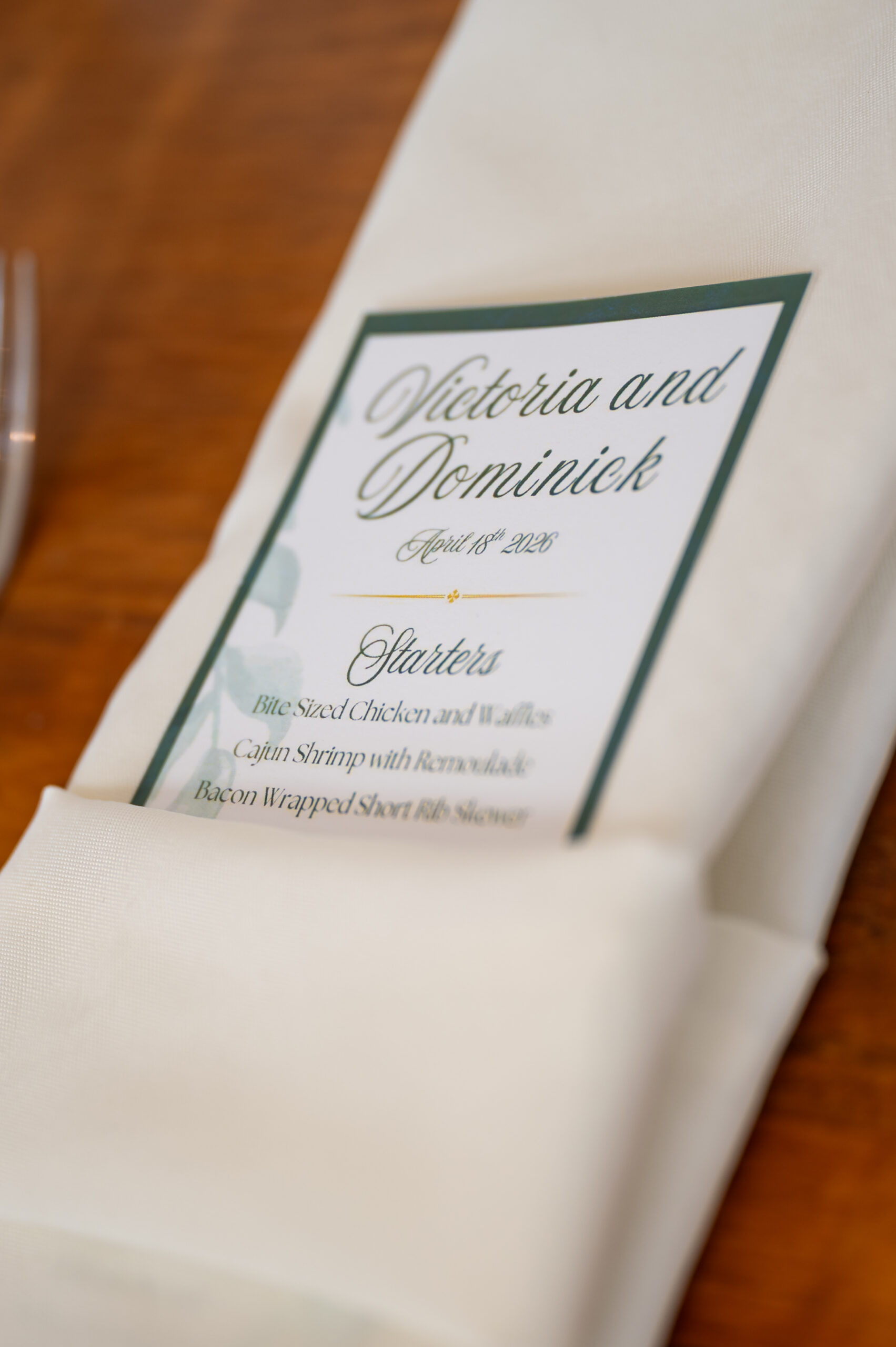
Buffet, Plated, or Family Style: What Works Best for Your Wedding?
Choosing how dinner will be served can shape the entire feeling of your wedding reception. Food is one of the biggest parts of the guest experience, but the service style matters just as much as the menu itself.
A plated dinner may feel polished and formal. A buffet can keep the evening moving while offering guests more choice. Family-style service can bring warmth to the table while still allowing everyone to remain seated.
There is no single option that works best for every wedding. The right choice should be based on your guest list, timeline, budget, venue layout, and the atmosphere you want to create.
What Is a Plated Wedding Dinner?
With a plated dinner, each guest is served an individual meal at their seat. This style often feels elegant, organized, and traditional.
Guests may choose their entrée in advance through the RSVP, or one entrée may be selected for everyone. In many cases, vegetarian and allergy-friendly meals will also be prepared when they have been requested ahead of time.
Plated service can create a calm and refined dining experience. Guests are not required to stand in line, and the meal is delivered directly to them. In addition, speeches and formal moments can often be planned around each course.
However, more work is usually required from the couple before the wedding.
The Extra Planning Required for Plated Meals
When several entrée choices are offered, every selection must be collected and tracked.
The couple will usually need to provide the venue or caterer with:
- Each guest’s name
- Their table number
- Their seat location
- Their selected entrée
- Any allergies or dietary restrictions
- A final count for each meal option
Place cards must also show which meal was selected. This allows the service team to deliver the correct plate without asking each guest what they ordered.
A simple symbol system can be used. For example, a small flower may be placed on the left, right, top, or bottom of the place card. Each position may represent a different meal. Some couples use colored stickers, initials, or small pictures of the protein instead.
Whatever system is chosen, it should be easy for the service team to understand. It should also be shared with the venue before the wedding.
Couples comparing wedding venues in Berks County should ask how meal selections are normally identified. An experienced venue team may already have a preferred system that makes dinner service smoother.
What Are the Benefits of a Buffet?
A buffet allows guests to choose from several proteins, sides, salads, and other dishes. Instead of receiving a preselected plate, they are invited to move through the buffet line and build their own meal.
Buffets are often quicker to plan because individual entrée selections do not need to be collected through the RSVP. Guests can also choose the portions and foods they prefer.
This can be especially helpful for guests who are picky eaters or who want to sample more than one dish.
A buffet may also move quickly when tables are released in an organized order. However, the speed will depend on the guest count, number of buffet lines, and layout of the room.
Buffet service usually feels slightly more casual than plated service. Still, it can be presented beautifully with polished serving pieces, thoughtful signs, and an attractive menu display.
Important Buffet Planning Tips
A buffet works best when the flow of the room has been planned carefully.
Consider the following:
- Ask whether one or two buffet lines will be provided
- Release tables in small groups to prevent long lines
- Keep the buffet away from the bar and main walkways
- Make sure dietary options are clearly labeled
- Ask whether servers will be stationed behind the buffet
- Plan when the couple and wedding party will be invited to eat
- Allow enough space for guests using mobility devices
Guests should not be left wondering when they may approach the buffet. Your DJ, coordinator, or venue team can release tables and keep the process organized.
When touring a wedding venue near Allentown, ask where the buffet is normally placed and how guests are directed through the room. A smart layout can make the dinner feel relaxed rather than crowded.
What Is Family-Style Wedding Service?
Family-style service combines parts of plated and buffet dining.
Guests remain seated while large dishes of food are brought to each table. The platters are then passed around, much like a family dinner at home.
This style can feel warm, generous, and connected. Guests may be offered both proteins and several sides without needing to leave the table.
Family style is one of our favorite options because everyone can have a little of everything while still enjoying the formality of sitting down for dinner.
It can create meaningful interaction at each table. Platters are passed, conversations are started, and the meal feels shared.
Why Family Style Can Feel So Special
Family-style meals can bring a welcoming and heartfelt feeling to the reception.
Instead of waiting for separate plates or standing in a line, guests are invited to serve one another. This can feel especially natural at weddings where close friends and relatives are seated together.
It also gives guests more flexibility. Someone may take a small portion of each protein, try several sides, or return for a little more of a favorite dish.
However, enough table space must be available for the platters. Large centerpieces, candles, glassware, favors, and place settings may need to be adjusted so food can be passed safely.
The venue and florist should be told that family-style service is planned. This allows tablescapes to be designed around the meal instead of competing with it.
Allergy Meals Will Always Be Available
Allergy-friendly and dietary-restriction meals will always be available, no matter which dinner service style is selected. However, the way those meals are served may vary.
For plated dinners, the appropriate meal can be prepared and delivered directly to the guest’s seat.
For buffets and family-style meals, guests with allergies or dietary restrictions may still be given an individual plate. This helps make sure they receive the correct meal without needing to rely on shared serving utensils or platters.
Dietary information should be collected on the RSVP and shared with the venue by the required deadline. Guests receiving special meals should also be clearly identified on the seating chart and place cards so the correct plate can be delivered with care.
At Bally Spring Inn, allergy meals are tracked both at the guest’s seat and behind the scenes. This helps the kitchen and service team confirm that each guest receives the appropriate meal.
Which Option Is Best for Your Timeline?
Your reception schedule should also be considered.
Plated dinners may take longer because each course is served and cleared. However, the timing can be very controlled.
Buffets may move faster, especially with multiple lines. Still, speeches may need to wait until most guests have returned to their seats.
Family-style service can feel smooth because guests remain seated. However, platters must be delivered, passed, and cleared before the next part of the reception begins.
Ask your venue how long each service style usually takes for your guest count. Then, speeches, dances, and cake cutting can be planned around dinner.
Consider the Experience You Want to Create
The best choice often comes down to the feeling you want your guests to have.
Choose plated service when you want:
- A formal and polished dinner
- Individual meals served at each seat
- A structured reception timeline
- Clear control over portions and presentation
Choose a buffet when you want:
- More variety for guests
- Less work collecting meal selections
- A relaxed and flexible atmosphere
- Guests to choose their own portions
Choose family style when you want:
- A shared and connected dining experience
- Guests to enjoy several proteins and sides
- The comfort of remaining seated
- A meal that feels both warm and elegant
You may also be able to combine styles. For example, cocktail hour may include food stations, dinner may be plated, and dessert may be served from a display.
Talk With Your Venue Before Deciding
Before selecting your dinner style, speak with your venue or caterer about the guest count, menu, room layout, and timeline.
Some venues may be better suited to one service style than another. Staffing, kitchen size, table shape, and available space can all affect what will work well.
At Bally Spring Inn in Barto, Pennsylvania, wedding meals are planned with both the couple and guest experience in mind. The historic estate offers a warm countryside setting where dinner can feel elegant, welcoming, and relaxed.
Whether your meal is plated, served from a buffet, or shared family style, the best choice is the one that supports your vision. When the service style fits the room, timeline, and people you love, dinner becomes more than a meal. It becomes a joyful part of the celebration that guests can savor together.
Photo by Wesley Works
Leave a reply
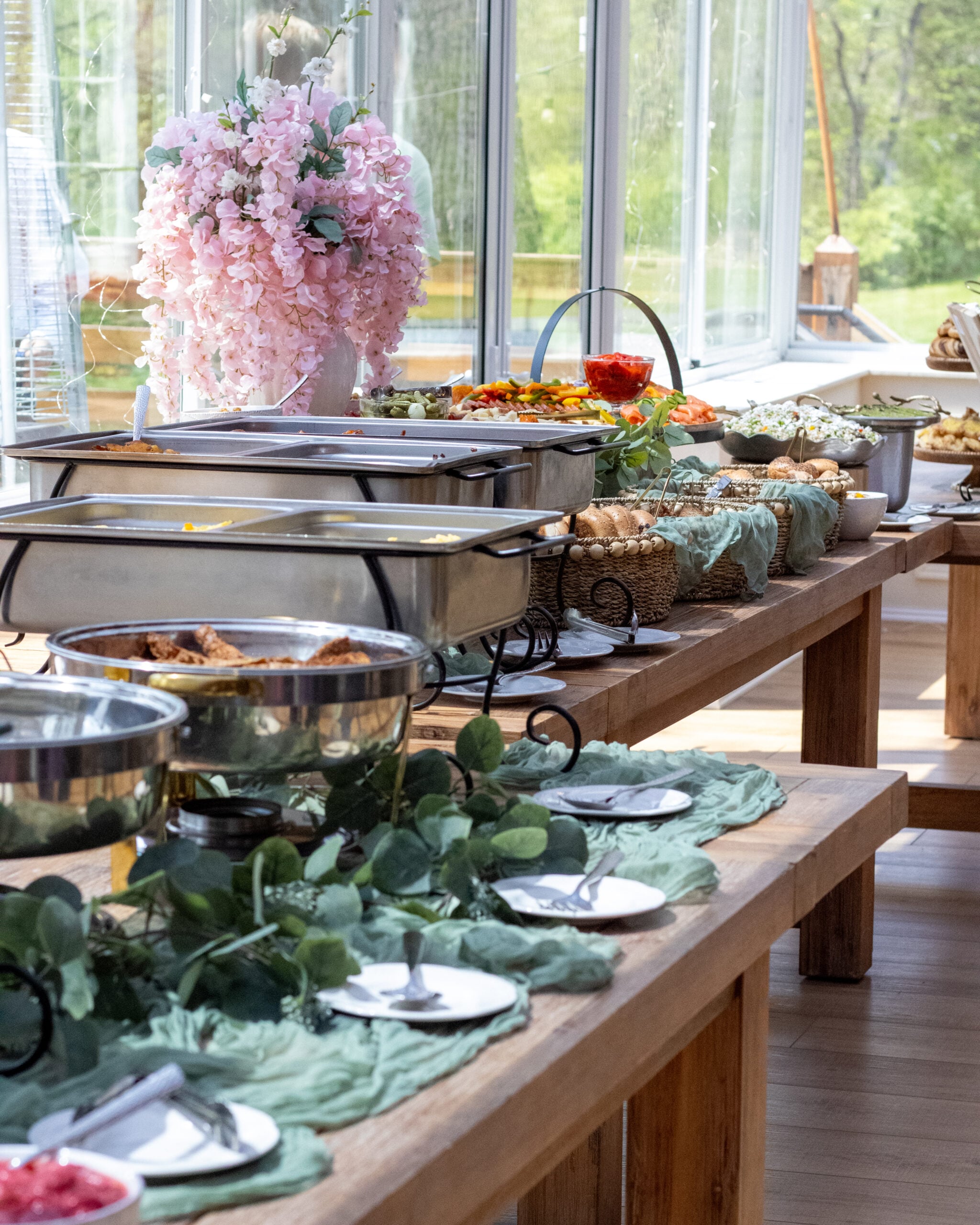
Spring Brunch Wedding Reception Ideas for a Relaxed Celebration
A spring brunch wedding reception can feel fresh, joyful, and beautifully relaxed. Instead of
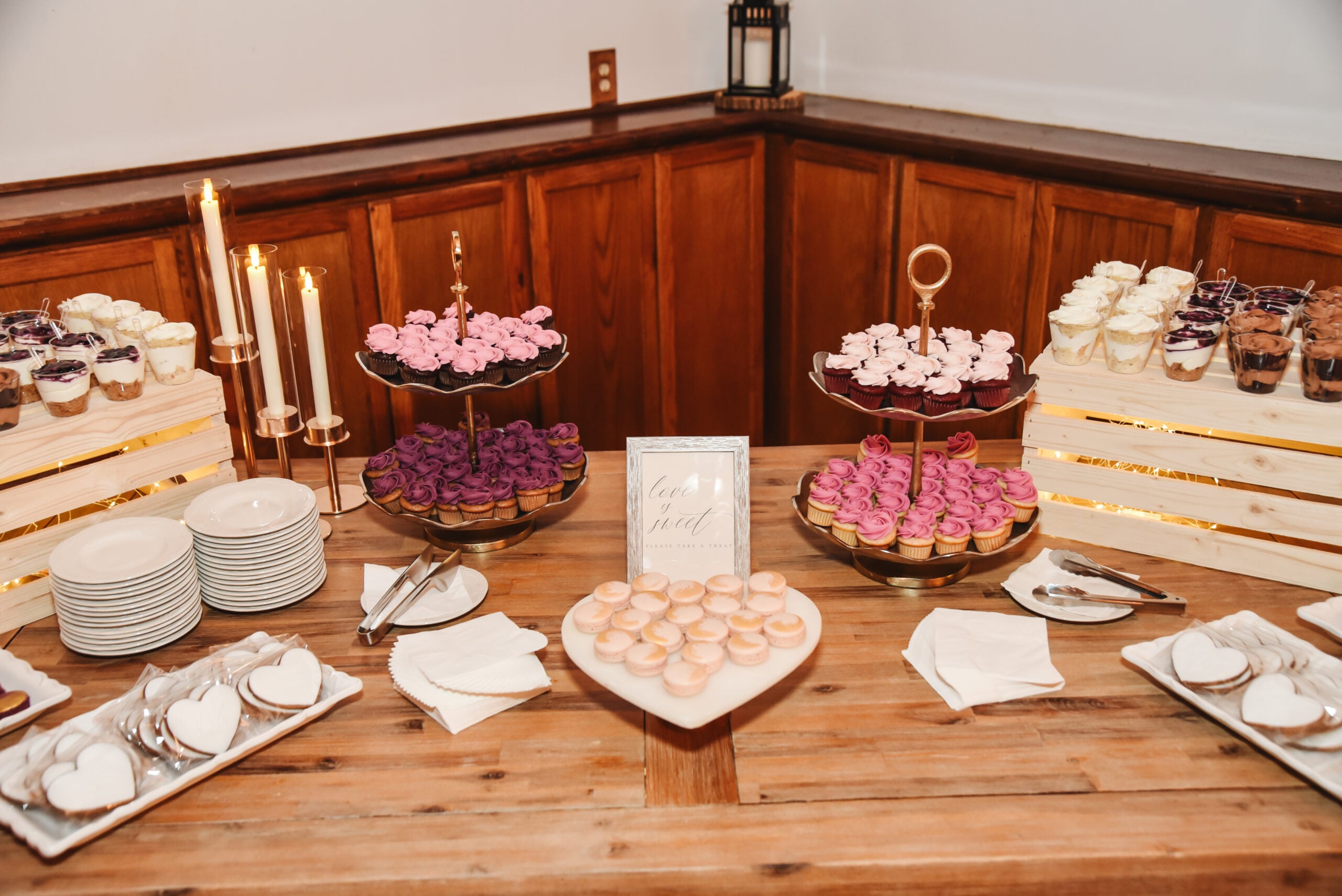
Wedding Dessert Ideas: Cake Alternatives and Mini Desserts
A traditional wedding cake can be beautiful, but it is no longer the only
How to Plan a Wedding Menu for Allergies and Dietary Restrictions
Learn how to plan a safe, inclusive wedding menu for food allergies, vegetarian guests,
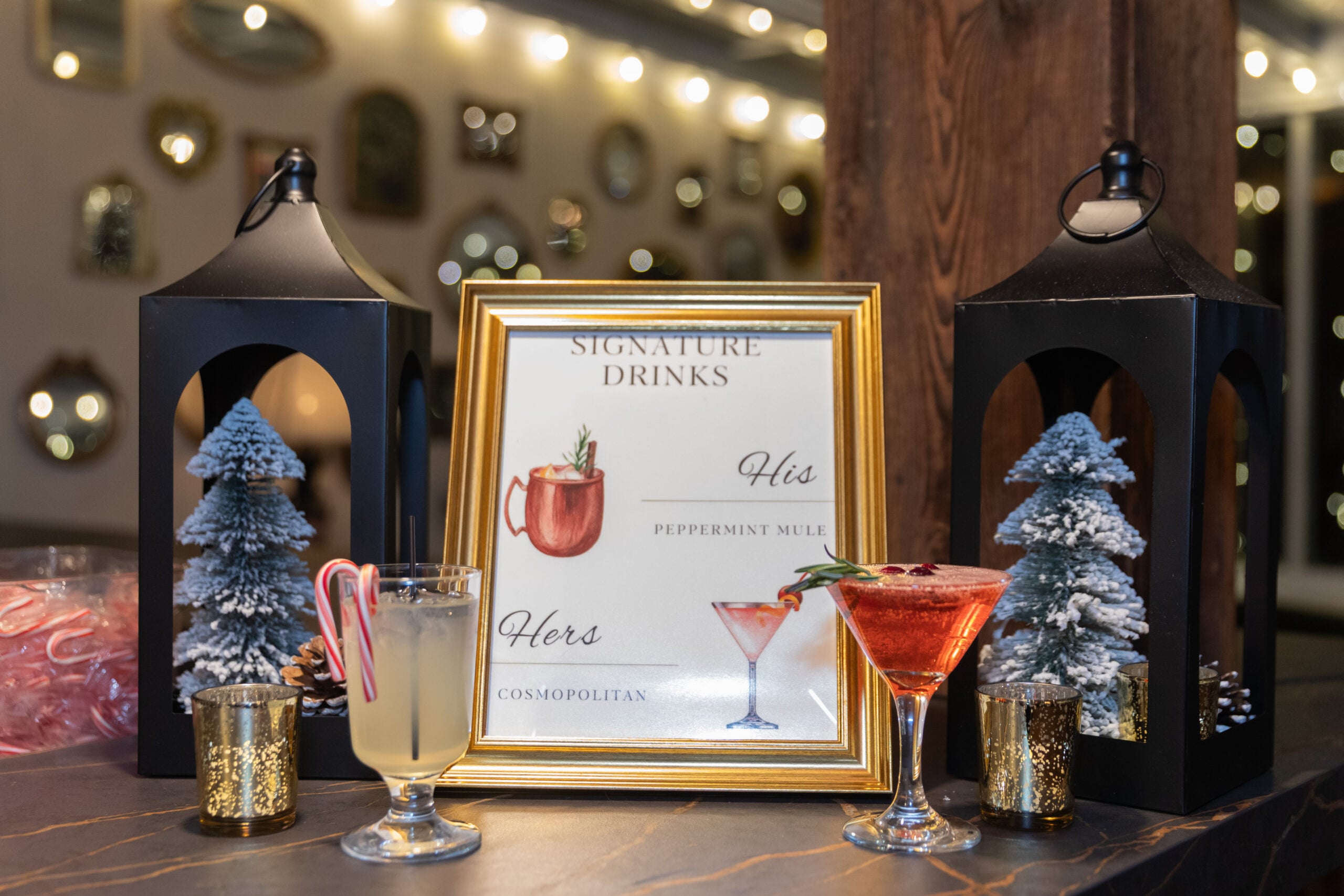
Should We Do a Signature Cocktail for Our Wedding?
Should you do a signature cocktail? Explore wedding drink ideas, naming tips, and how