


How to Plan a Wedding Menu for Allergies and Dietary Restrictions
Choosing your wedding menu should be an exciting part of planning. You get to imagine the appetizers your guests will enjoy, the meal you will share together, and the desserts that will finish the evening on a sweet note.
However, food allergies and dietary restrictions must also be considered. A guest with a serious allergy should not have to feel nervous about eating at your wedding. Likewise, guests who are vegetarian, vegan, gluten-free, or following another diet should feel welcomed and cared for.
A thoughtful menu does not need to become complicated. With clear communication, careful planning, and support from your catering team, a meal can be created that feels delicious, safe, and inclusive.
Ask About Allergies on Your RSVP
Food allergies and dietary restrictions should be included as a question on your RSVP.
Do not wait until the final week before the wedding to ask. Your caterer will need time to review each request, plan substitutions, and prepare the correct number of special meals.
Your RSVP may include a simple question such as:
“Do you have any food allergies or dietary restrictions we should be aware of?”
You may also provide a blank space for guests to explain their needs. This is often better than only offering checkboxes because one allergy may require more detail.
For example, a guest may be allergic to shellfish but able to eat fish. Another guest may need a meal that is both dairy-free and gluten-free. The more specific the information is, the easier it will be for your catering team to prepare safely.
Once the RSVPs are returned, the information should be placed into one organized list. Names, table numbers, allergies, and meal selections should all be recorded clearly.
Think About the Majority of Your Guests
Your menu should reflect your preferences as a couple. Still, the needs of your guests should also be considered.
If half of your guest list is allergic to fish, fish may not be the best main entrée. Even if another meal choice is offered, a large number of guests may feel worried about cross-contact or limited options.
Instead, select dishes that most guests can enjoy. Then, special meals can be prepared for smaller groups.
This is especially important for an intimate celebration at a Micro-Wedding Venue in Pennsylvania. At a smaller wedding, each guest’s experience may feel more noticeable. If several people cannot eat the main meal, the issue may affect the feeling of the entire dinner.
Consider your guest list before your tasting. Are many guests vegetarian? Do several family members avoid dairy? Are there children who may need simpler options? These questions can help guide your final selections.
Understand Allergies Versus Preferences
Food allergies, intolerances, and personal preferences are not the same. However, each should still be handled with kindness.
A true food allergy may cause a serious medical reaction. Common allergens include:
- Milk
- Eggs
- Peanuts
- Tree nuts
- Fish
- Shellfish
- Wheat
- Soy
- Sesame
Food intolerances may cause discomfort but are not always life-threatening. Lactose intolerance and gluten sensitivity are common examples.
Dietary preferences may include vegetarian, vegan, pescatarian, or religious food practices. These choices should also be respected.
When information is given to your caterer, allergies should be clearly marked as allergies. This helps the kitchen understand where extra care must be taken.
Work Closely With Your Caterer
An experienced wedding caterer should be able to work with a wide range of allergies and dietary restrictions.
Before signing a catering contract, ask how special meals are handled. You may want to discuss whether separate preparation areas are used, how ingredients are tracked, and how the correct plate is delivered to the correct person.
Couples comparing Pottstown wedding venues should also ask whether catering is handled on-site or brought in by an outside company. An experienced on-site team may be more familiar with the kitchen, service flow, and allergy procedures used at the venue.
Your caterer should also be informed about severe allergies early. However, it is important to understand that no kitchen can always promise a completely allergen-free environment unless it is specifically designed for that purpose.
Clear and honest communication should be used so guests can make informed decisions.
Choose Flexible Menu Options
Some dishes are easier to adjust than others.
For example, a grilled protein with vegetables and potatoes may be easier to prepare without gluten or dairy than a stuffed entrée covered in sauce. A buffet may also offer more choices, but it can create concerns about shared utensils and cross-contact.
Plated meals can be helpful because each special meal is prepared and delivered separately. However, meal selections must be collected in advance.
When building the menu, consider including:
- At least one vegetarian entrée
- A gluten-free option
- Sauces served on the side when possible
- Clearly labeled buffet items
- A simple children’s meal
- A dessert option for guests with common allergies
You do not need to create ten separate entrées. Instead, choose a few flexible dishes that can be adjusted when needed.
Create a Clear Seating and Meal System
Once special meals have been confirmed, a system should be created to make sure each guest receives the correct plate.
At Bally Spring Inn, guests with allergies or dietary restrictions are identified both at their seats and behind the scenes. This helps the service team recognize the correct guest while also giving the kitchen clear information.
A small symbol, color, or code may be placed on the guest’s place card. The code should be subtle so the guest does not feel singled out.
For example:
- A small leaf may represent a vegetarian meal
- A colored dot may represent a gluten-free meal
- A specific letter may identify an allergy meal
The service team should be given a seating chart with the same information. Then, the guest’s name, table number, seat location, and meal type can all be confirmed.
This step is especially useful for plated dinners because meals may look similar when they leave the kitchen.
Avoid Last-Minute Menu Surprises
Changes should not be made to the menu without checking how they may affect allergies.
A sauce may contain dairy. A salad may include nuts. A vegetable dish may be cooked in butter. Even bread, dressings, and desserts may contain ingredients that are not obvious.
Therefore, the final menu should be reviewed with the catering team before the wedding. Ingredient lists do not need to be printed for every guest, but the staff should understand what is in each dish.
It may also help to ask guests with severe allergies to speak directly with the venue or caterer. This allows important questions to be answered without information being lost between several people.
Help Guests Feel Comfortable
Guests with allergies often have experience asking questions about food. Still, they may feel uncomfortable drawing attention to themselves at a wedding.
A thoughtful process can make them feel calmer.
Let them know that their dietary information was received. Then, explain how their meal will be identified. If they should speak with a server upon arrival, tell them in advance.
This small amount of reassurance can make a meaningful difference. Instead of worrying through dinner, they can focus on the celebration, conversation, and joyful memories being created.
Keep Cocktail Hour and Dessert in Mind
Dietary planning should not stop with the main meal.
Passed appetizers, late-night snacks, cake, cookies, and signature drinks may also contain allergens. Guests should not be offered a safe dinner and then be left without anything to enjoy during the rest of the reception.
Ask whether a few appetizers can be made gluten-free or vegetarian. Make sure serving staff know which items contain major allergens. Also, consider offering a simple alternative dessert, such as fruit, sorbet, or a packaged allergy-friendly treat.
If outside desserts are being brought in, ingredient details should be requested from the bakery.
Create a Menu That Feels Welcoming
Planning for allergies and dietary restrictions is not only about avoiding problems. It is part of creating a warm and caring guest experience.
Your wedding meal is one of the few moments when nearly everyone will be seated together. It should feel comfortable, joyful, and inclusive. Guests should be able to enjoy the evening without fear, confusion, or embarrassment.
At Bally Spring Inn in Barto, Pennsylvania, thoughtful details are used to help each guest receive the appropriate meal. From clear seating notes to communication between the kitchen and service team, care is built into the process.
With early planning and an experienced catering team, your wedding menu can still feel creative and personal. More importantly, the people you love will feel seen, protected, and genuinely welcomed at your table.
Leave a reply
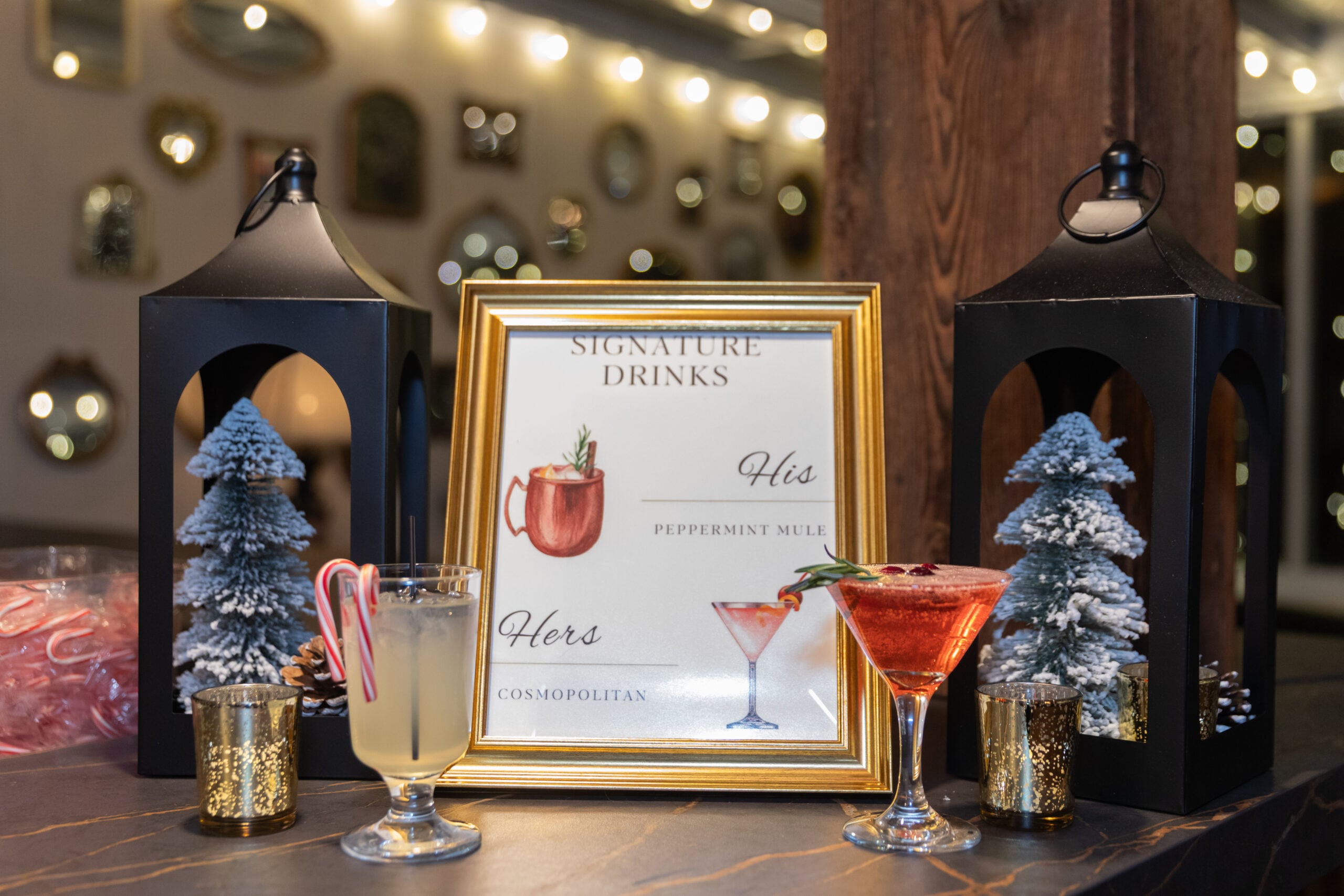
Should We Do a Signature Cocktail for Our Wedding?
Should you do a signature cocktail? Explore wedding drink ideas, naming tips, and how

Mother’s Day Brunch at Bally Spring Inn: What to Expect
Mother’s Day is meant to feel slow, meaningful, and full of connection. At Bally
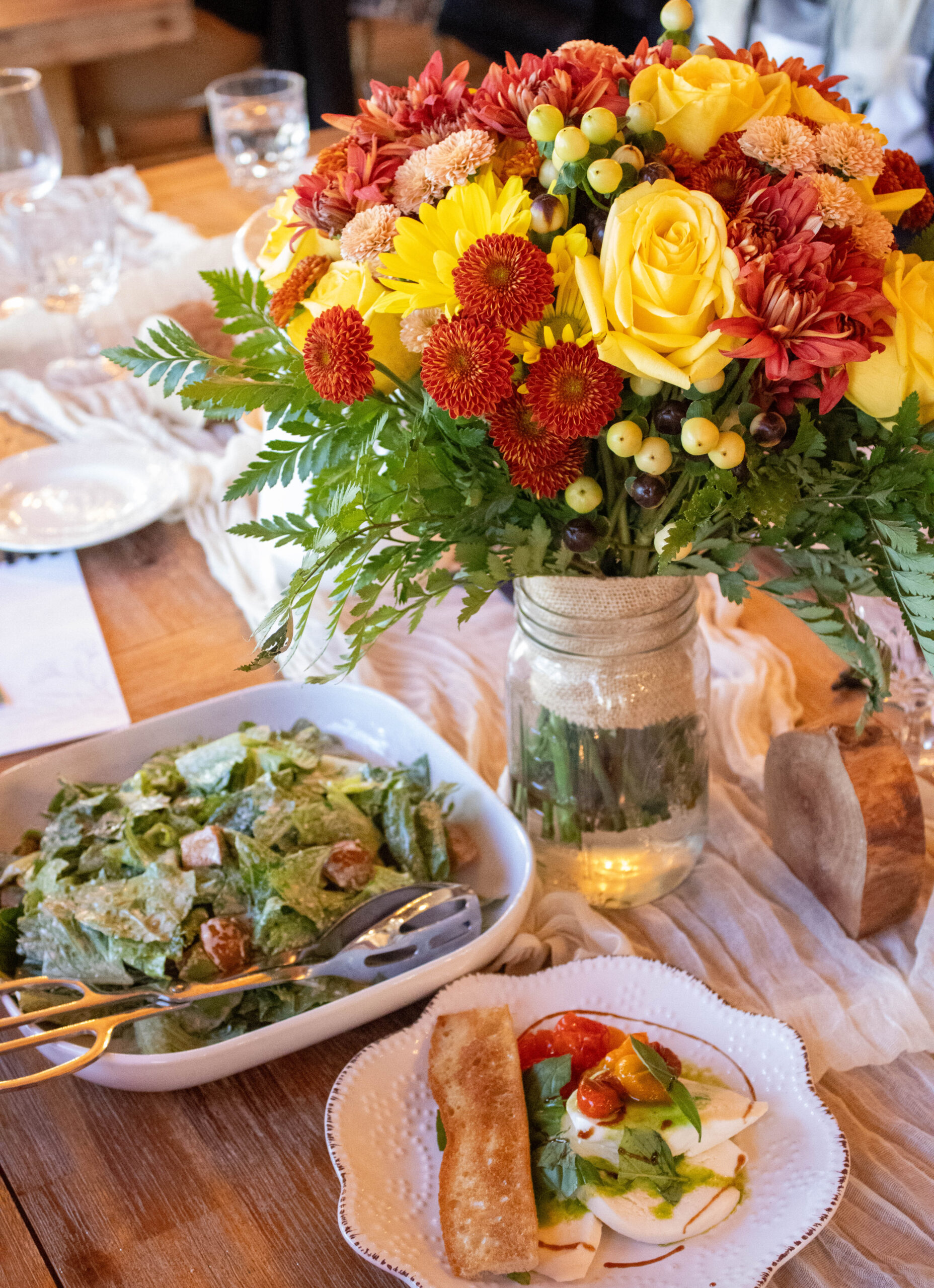
Dinner Styles Explained: Plated vs. Buffet
(And What Works Best at Bally Spring Inn) When planning your wedding reception, dinner service