


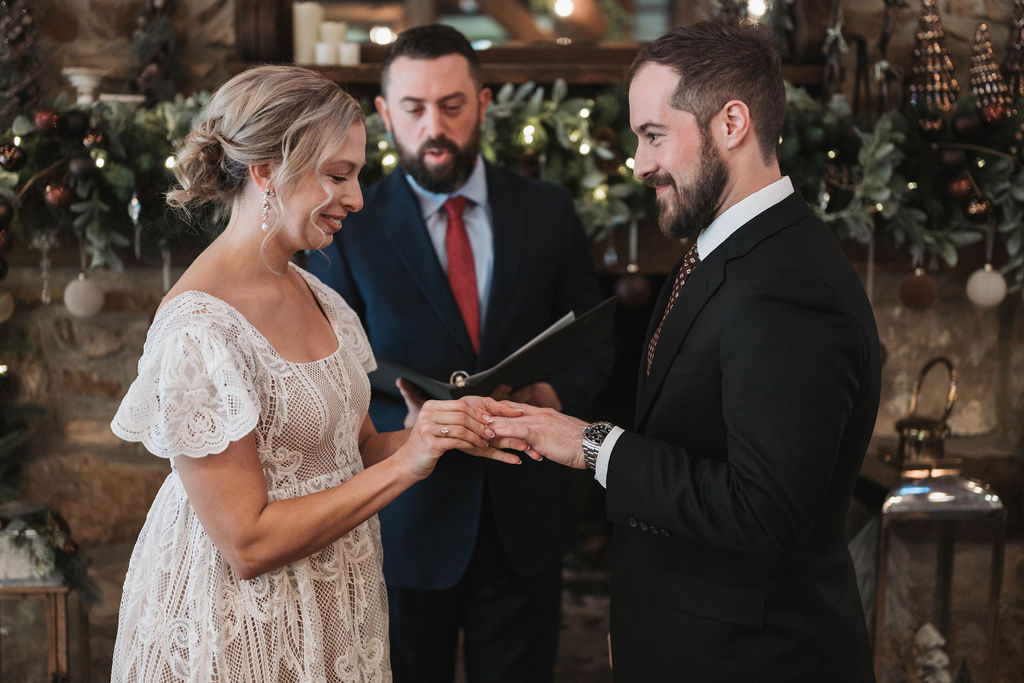
How to Handle Wedding-Day Anxiety When You Hate Being the Center of Attention
Your wedding day is meant to feel joyful, meaningful, and full of love. Still, being watched by a room full of people can feel overwhelming, especially if you do not enjoy being the center of attention.
You may love the idea of getting married while feeling nervous about walking down the aisle, sharing a first dance, reading vows, or greeting every guest. Those feelings do not mean you are ungrateful or unexcited. They simply mean that your wedding should be planned in a way that protects your comfort as well as your celebration.
With thoughtful choices and a flexible timeline, pressure can be reduced. Your day can still feel romantic and special without requiring you to perform for your guests from beginning to end.
Begin by Naming What Makes You Anxious
Wedding-day anxiety can come from many different places. Therefore, it helps to identify the moments that feel most stressful before the timeline is finalized.
Ask yourself whether you are worried about:
- Walking down the aisle while everyone watches
- Reading personal vows in front of guests
- Being photographed while getting ready
- Dancing alone in the center of the room
- Speaking into a microphone
- Greeting a large number of people
- Crying in front of family and friends
- Feeling trapped in a packed schedule
- Having no quiet place to take a break
Once the source of the anxiety has been identified, a more comfortable version of that moment can be created. A tradition does not need to be removed completely. Instead, it may simply be adjusted.
Build Private Moments Into the Timeline
A wedding day can become exhausting when every minute is shared with other people. Therefore, private time should be planned on purpose.
A few quiet minutes may be scheduled after getting ready, immediately after the ceremony, before the reception entrance, or after dinner. These breaks do not need to be long. Even three to five minutes can help your body calm down.
During that time, you may sit quietly, drink water, take a few slow breaths, or simply be alone with your partner.
Couples planning at a destination wedding venue near Philadelphia may have family and friends traveling from many different places. Because there may be pressure to spend time with everyone, private moments can be especially important. They allow the two of you to reconnect before returning to the celebration.
Your coordinator, photographer, and wedding party should know that these breaks are part of the plan. That way, you will not be interrupted or rushed back into the room.
Choose a Quiet Place Before the Day Begins
A hiding space should be chosen before the wedding day.
This may be a getting-ready suite, private room, quiet hallway, outdoor bench, or another space away from the main celebration. The area does not need to be dramatic. It simply needs to feel safe, private, and easy to reach.
Let your coordinator and one trusted person know where you may go if you need a break. That person can help protect the space and let others know you will return shortly.
It may also help to keep a few calming items nearby, such as:
- Water
- A small snack
- Tissues
- Comfortable shoes
- Lip balm
- A phone charger
- Any needed medication
- A grounding object or handwritten note
A short break should not be treated as a problem. It is simply another part of caring for yourself.
Consider Sharing Private Personal Vows
Personal vows can be one of the most emotional parts of a wedding. However, reading them in front of a large audience may feel deeply uncomfortable.
Private vows can be shared before the ceremony, even if a traditional first look is not being planned.
You may stand back-to-back, hold hands around a doorway, exchange letters, or find a quiet location where you can speak without an audience. Your photographer may be present from a distance, or the moment may be kept completely private.
This option allows meaningful words to be shared without worrying about a microphone, tears, or guest reactions.
During the public ceremony, shorter traditional vows may still be exchanged. This keeps the ceremony personal while protecting the most vulnerable words for the two of you.
At many historic wedding venues in Pennsylvania, quiet gardens, restored rooms, creekside spaces, and private corners can be used for this kind of intimate moment. The setting can feel romantic without turning the exchange into a performance.
Make the First Dance Feel Less Intense
The first dance is often shown as a couple standing alone while every guest watches. However, it does not have to stay that way for the entire song.
You may begin the dance alone for thirty seconds or one minute. Then, your DJ can invite guests to join you on the dance floor.
This gives your photographer time to capture a few traditional first dance photos while quickly shifting attention away from you. The moment can become a shared celebration instead of a long performance.
You may also choose a shorter version of the song. Your DJ can fade it after the most meaningful section, or guests can be invited to join when the chorus begins.
Another option is to hold the first dance during dinner. The room may feel quieter and less focused because guests are seated, eating, and talking softly.
Adjust Parent Dances to Reduce the Spotlight
Parent dances can feel emotional and beautiful. Still, both the couple and the parents may feel nervous about being watched.
One option is to have both parent dances at the same time. For example, one partner may dance with a parent while the other partner does the same. Because two moments are happening together, the attention is divided.
Parent dances may also be scheduled during dinner. Guests can still watch and appreciate the moment, but the room will usually feel softer and less formal.
You may also invite siblings, grandparents, or other family members to join partway through the song.
The dance does not need to follow a traditional format to be meaningful. What matters is that the people involved feel comfortable and connected.
Simplify the Ceremony Entrance
Walking down the aisle can feel intense because every guest is facing the same direction.
If that thought causes anxiety, several options may be considered.
You could enter with your partner instead of separately. You may walk with two loved ones rather than one. The wedding party could remain seated instead of standing at the front, which may make the ceremony space feel less formal.
The aisle may also be shortened, or the ceremony could be arranged in a half-circle so the attention feels less direct.
Another helpful choice is to have your officiant ask guests to remain seated during the entrance. Standing guests can make the moment feel larger and more dramatic.
Soft music and a slower pace may also help the entrance feel peaceful rather than overwhelming.
Skip or Change the Grand Entrance
A reception grand entrance is optional.
You do not need to be introduced with loud music, cheering, and a spotlight if that does not feel like you. Instead, you may enter quietly while guests are seated or join cocktail hour without a formal announcement.
You may also enter with the full wedding party so the attention is shared.
If a traditional entrance is still wanted, keep it simple. Your DJ can announce your names, play a short section of music, and move directly into dinner or the first dance.
A smaller moment can still feel joyful and exciting.
Limit Public Speaking
You do not need to give a long speech at your own wedding.
A short welcome or thank-you may be prepared in advance. It can be written on a card so you do not need to remember it. You may also speak together, allowing one partner to take over if the other becomes nervous.
Your officiant, DJ, or a family member can share announcements on your behalf.
If you would like to thank guests without using a microphone, a note may be printed in the program, placed at each table, or added to the menu.
Guests will still understand how grateful you are.
Create a Signal With Your Partner
Choose a quiet signal that means you need help.
It may be a hand squeeze, a phrase, or a simple look. If the signal is used, your partner will know that you need water, fresh air, a private room, or help ending a conversation.
This can be especially helpful during cocktail hour or the reception, when many guests may approach at once.
A similar signal may be shared with your coordinator or a trusted wedding party member. They can step in, redirect a conversation, or guide you toward a quieter space.
Having a plan can reduce anxiety because you will know that support is available.
Protect Yourself From an Overpacked Timeline
A packed wedding schedule may look efficient, but it can create stress.
Photos, greetings, dances, speeches, and formal events should not be placed back-to-back without room to breathe. Buffer time should be added throughout the day.
It may also help to limit the number of formal traditions. You do not need a receiving line, bouquet toss, cake-cutting announcement, grand entrance, long first dance, and several speeches unless those moments genuinely excite you.
Choose the traditions that feel meaningful. The rest may be changed, shortened, or skipped.
Tell Your Vendors What You Need
Your venue coordinator, photographer, videographer, DJ, and officiant should understand that being watched may feel difficult for you.
This information helps them support you properly.
A photographer can avoid calling too much attention to posed photos. A DJ can keep announcements simple. Your officiant can guide guests without making the ceremony feel overly dramatic. Meanwhile, your coordinator can protect private breaks and adjust the timeline if needed.
You do not have to share deeply personal details. A simple explanation is enough:
“I am excited for the day, but I get anxious when too much attention is placed on me. Please help us keep formal moments short and allow space for quiet breaks.”
Experienced wedding professionals should respect that request.
Remember That Your Guests Are Supporting You
It may feel as though every guest is studying your movements, words, and reactions. In reality, the people attending your wedding are usually focused on celebrating you.
They are not expecting a perfect performance. They are not grading your vows, dance moves, or emotions. Most guests will remember how the day felt more than whether every moment happened exactly as planned.
At Bally Spring Inn in Barto, Pennsylvania, couples are encouraged to build a wedding day that feels peaceful, personal, and true to them. Private spaces, flexible ceremony settings, and a relaxed countryside atmosphere can help create room to breathe.
You are allowed to step away. You are allowed to change traditions. You are allowed to experience the day quietly.
A wedding does not need to be loud or highly performative to feel joyful. When your comfort is protected, the most meaningful moments can be felt more fully, and the celebration can become a warm reflection of who you truly are.
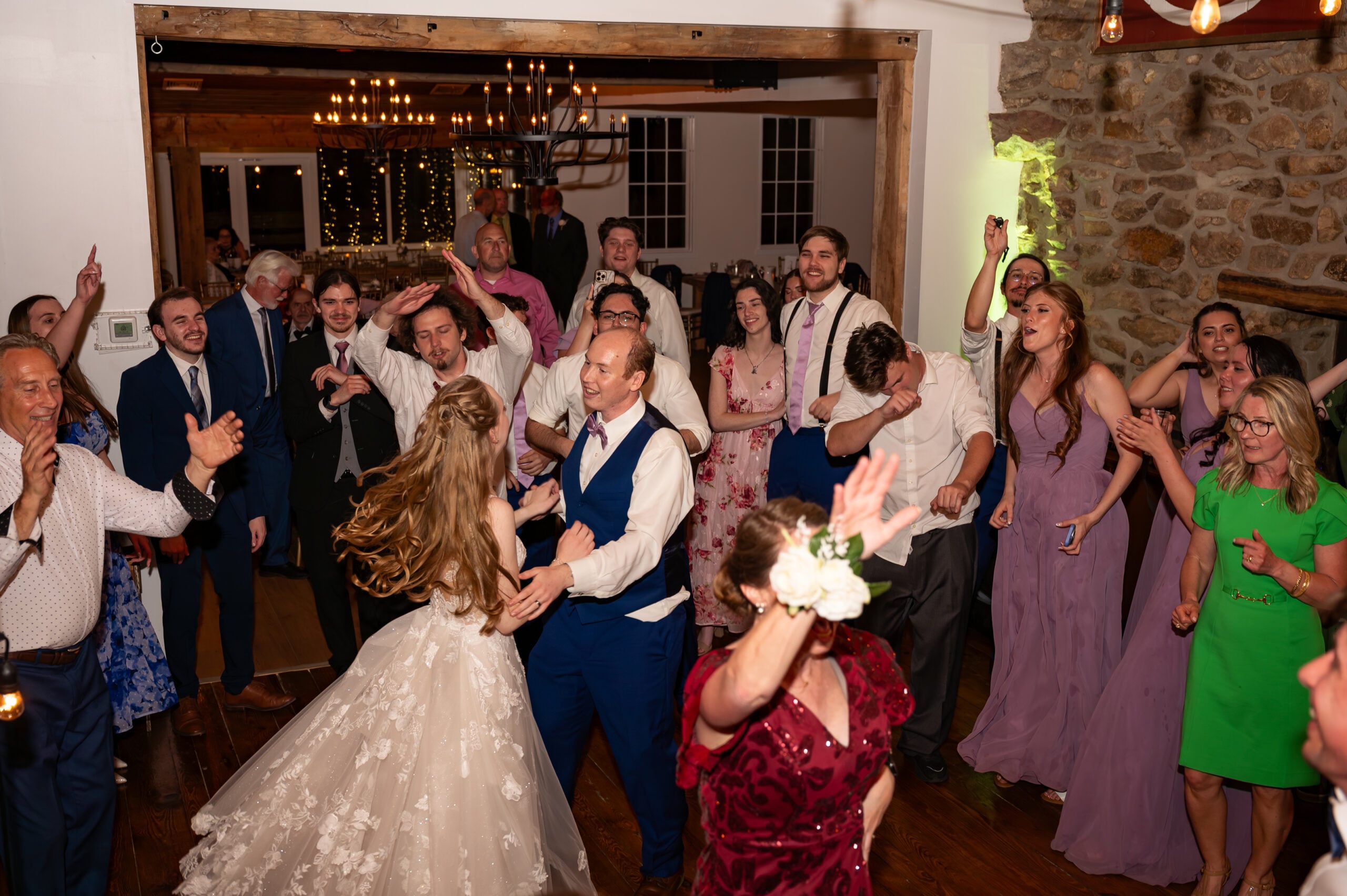
Photo by Portraits by Shannon Moriah
Leave a reply
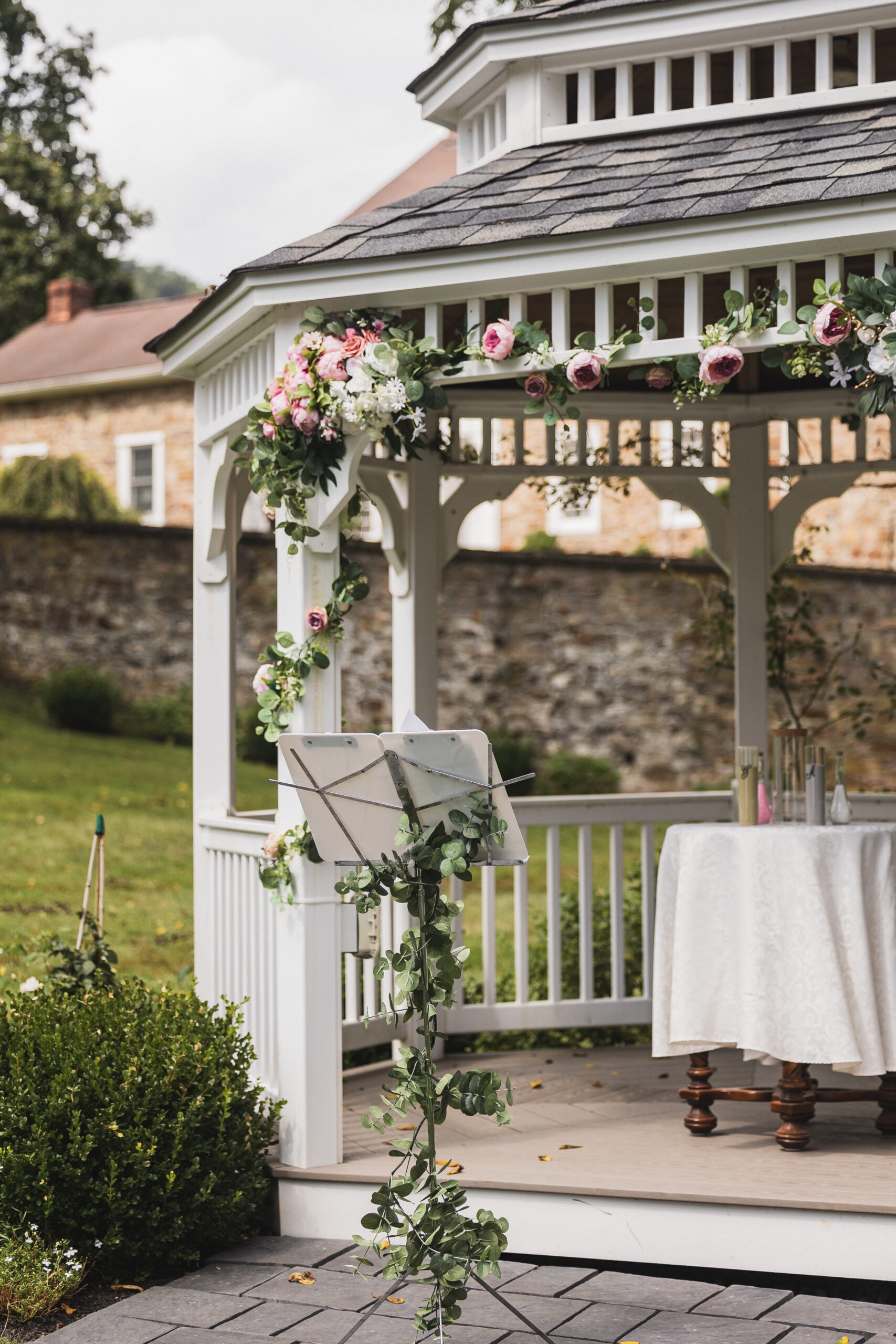
How to Choose the Right Person to Officiate Your Wedding
The person who officiates your wedding will guide one of the most meaningful moments
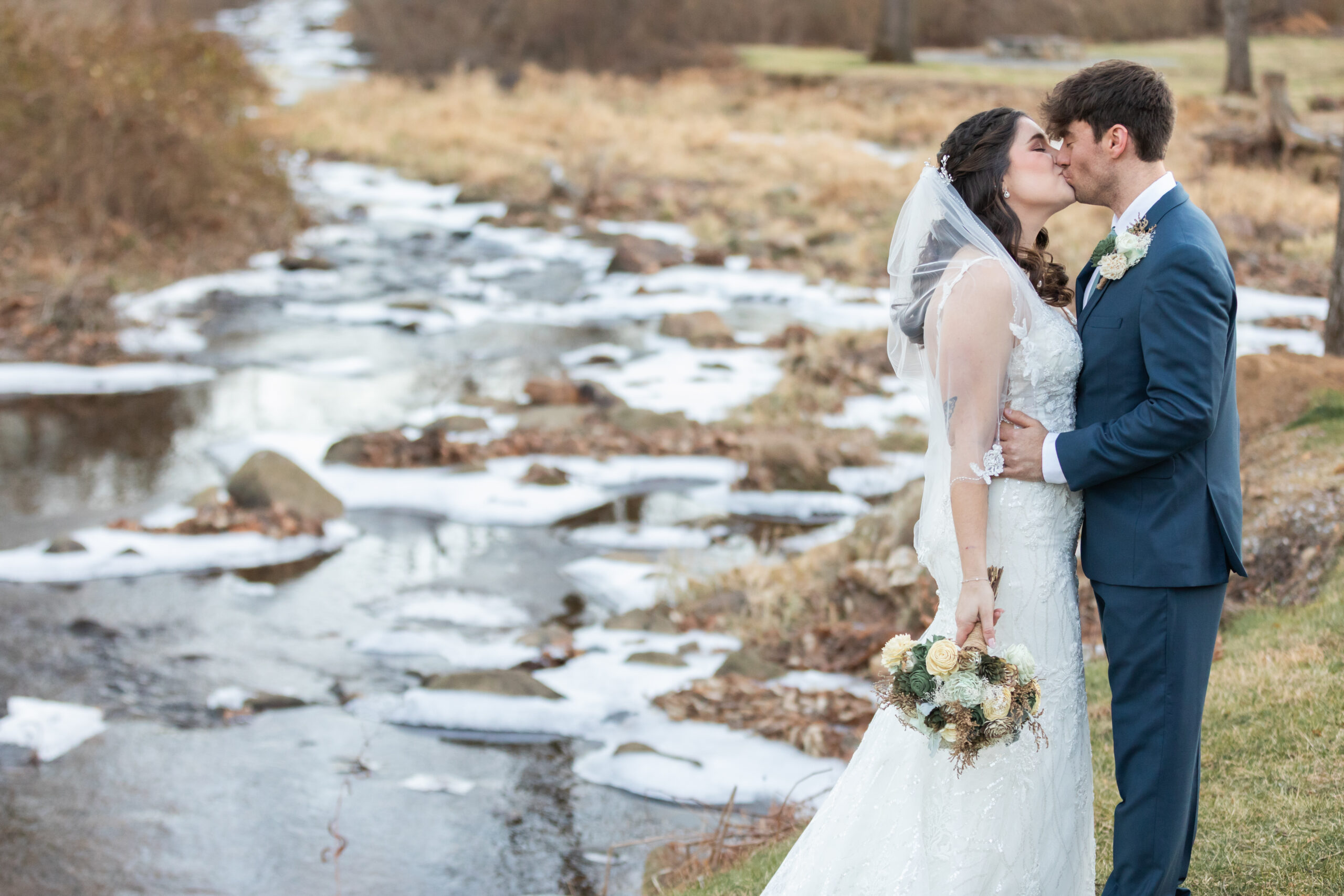
How to Plan a Truly Unplugged Wedding Ceremony
Your wedding ceremony is one of the most emotional parts of the entire day.
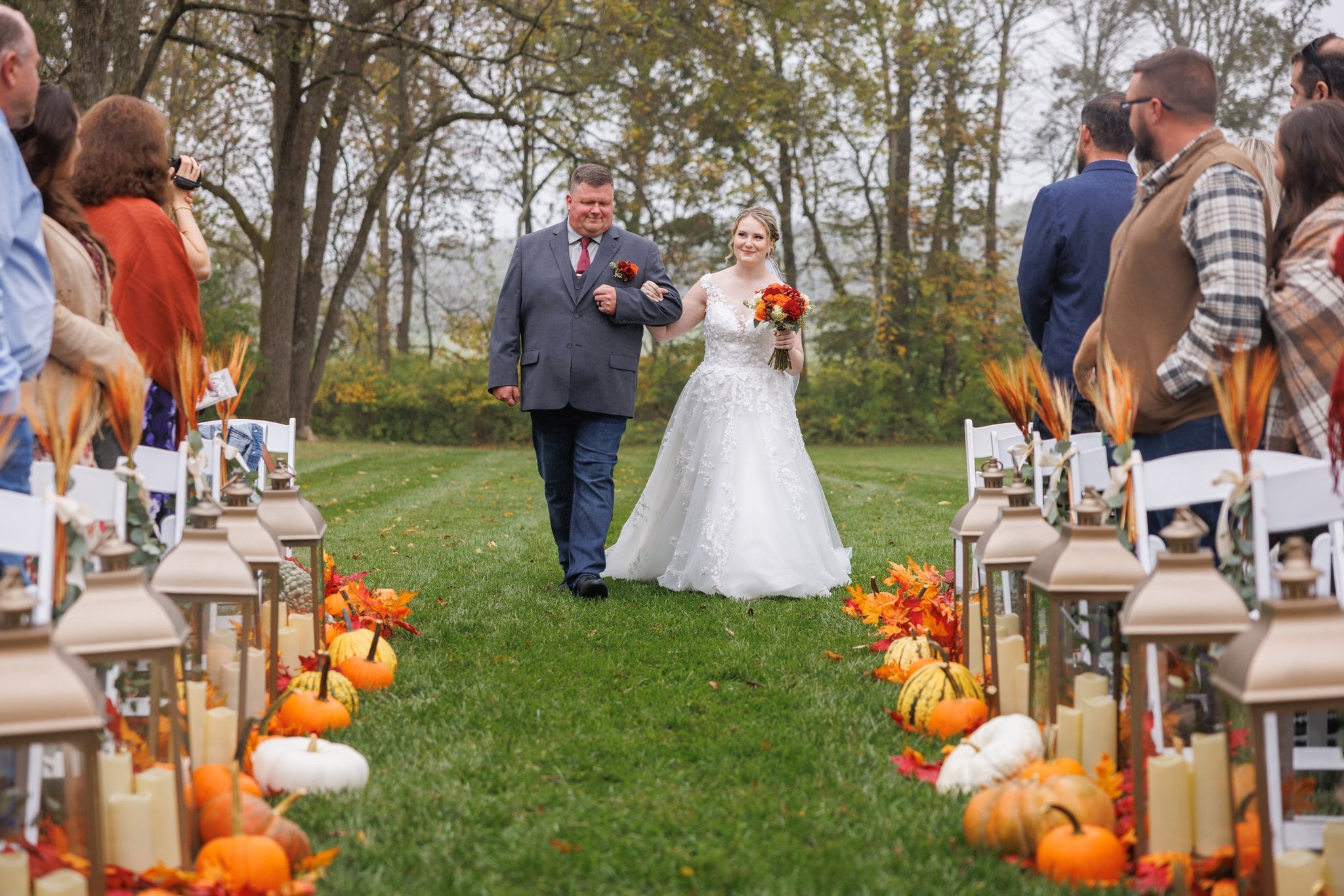
If Family Helps Pay for the Wedding, Do They Get a Say?
Learn how to set kind boundaries when family helps pay for your wedding, including
How Many Hours of Wedding Photography Coverage Do You Really Need?
Learn how many hours of wedding photography coverage you need based on getting ready