


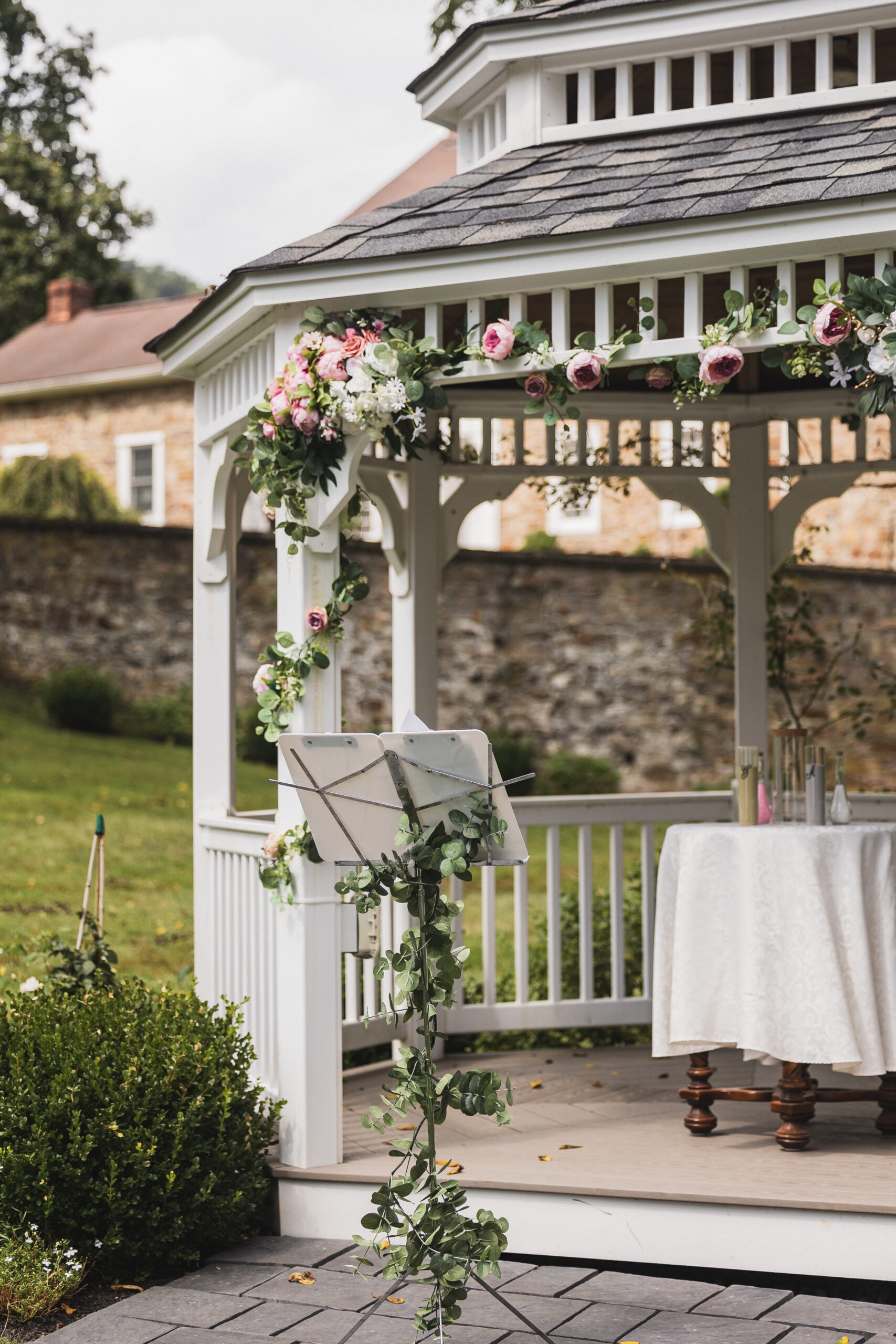
How to Choose the Right Person to Officiate Your Wedding
The person who officiates your wedding will guide one of the most meaningful moments of the entire day. They will welcome your guests, help tell your story, lead your vows, and pronounce you married.
Because of that, choosing an officiant should not be treated as a small detail. The right person can make the ceremony feel warm, personal, joyful, and completely true to your relationship.
Some couples choose a religious leader or professional officiant. Others ask a close friend, family member, mentor, or personal hero. There is no single correct choice. Instead, the decision should be based on your beliefs, personalities, and the kind of ceremony you want to experience.
Begin With the Feeling You Want
Before choosing a specific person, think about how you want your ceremony to feel.
Would you like it to be romantic and emotional? Should it feel light, funny, and relaxed? Are you hoping for a traditional religious ceremony, or would you prefer something more personal and modern?
Your officiant will help create that feeling. Therefore, someone should be chosen who understands the tone you want and can communicate it naturally.
For example, a funny family member may be perfect for a ceremony filled with laughter. However, they should also be able to slow down and handle the more heartfelt moments with care.
A calm mentor or family friend may be a better fit if you want a ceremony that feels thoughtful and deeply personal. Meanwhile, a professional officiant may be preferred if you want someone experienced who can confidently manage the script, timing, and legal details.
Decide Whether Religion Will Be Included
Religion can be an important part of a wedding ceremony, but every couple approaches it differently.
You may want a fully religious ceremony led by a priest, pastor, rabbi, imam, or another spiritual leader. You may prefer to include one prayer, blessing, or reading without making religion the main focus. You may also decide that your ceremony should be completely secular.
These choices should be discussed together before an officiant is selected.
Consider asking:
- How important is religion in our daily lives?
- Do we want religious language included in our vows?
- Are there family traditions we want to honor?
- Do we come from different faith backgrounds?
- Would a spiritual but nonreligious ceremony feel more comfortable?
- Are there any words or traditions we do not want included?
If you come from different faiths, an interfaith officiant may be helpful. The ceremony may be written to honor both backgrounds without making either partner feel overlooked.
Consider Asking a Friend or Family Member
A friend or family member can bring a deeply personal feeling to the ceremony.
They may already know how you met, what you have been through together, and what makes your relationship special. Because of that history, their words may feel more natural and heartfelt.
Think about the people in your life who have supported your relationship.
Perhaps you have a sibling who is warm and confident in front of a crowd. A longtime friend may have watched your relationship grow from the beginning. A funny uncle, caring aunt, former teacher, coach, or family friend may have had a meaningful impact on your life.
You may even choose someone you consider a personal hero. Asking that person to officiate can become a beautiful way to honor the role they have played in your story.
For couples choosing a wedding venue for a shorter planning timeline, asking someone you already trust may make the ceremony feel easier to personalize. However, enough time should still be allowed for legal steps, script writing, and practice.
Make Sure They Are Comfortable Speaking Publicly
Being meaningful to the couple does not always mean someone will feel comfortable leading a ceremony.
Your officiant should be able to speak clearly, stay calm, and guide the room. They do not need to be a professional performer, but they should be prepared to stand in front of your guests and carry the ceremony from beginning to end.
Before asking someone, consider whether they:
- Feel comfortable speaking in public
- Can follow a written script
- Will take the role seriously
- Can balance humor with emotion
- Will rehearse before the wedding
- Can remain calm if something unexpected happens
- Will respect your boundaries and beliefs
- Can pronounce names correctly
- Will arrive on time and prepared
A person may be wonderful, funny, and deeply loved, but the role may not suit them. That does not make the relationship any less meaningful.
Decide Whether You Want a Professional Officiant
A professional officiant can be an excellent choice, especially when you want guidance through the entire process.
They may help write the ceremony, suggest readings, organize vows, and explain the legal requirements. They are also used to handling microphones, nervous couples, unexpected weather, and emotional family members.
A professional may be especially helpful when:
- No friend or family member feels like the right choice
- You want a neutral person leading the ceremony
- Your ceremony includes several cultural or religious traditions
- You want help writing personal vows
- You are planning from out of town
- You want someone experienced with wedding timelines
- Your chosen loved one would rather enjoy the ceremony as a guest
Professional does not have to mean impersonal. A good officiant will take time to learn about your relationship and create a ceremony that feels genuine.
Think About the Ceremony Setting
Your venue and ceremony location may also affect your choice.
Outdoor ceremonies require someone who can project their voice, use a microphone comfortably, and adjust if wind, rain, or other distractions appear.
At creekside wedding venues in Pennsylvania, the setting may feel peaceful and romantic, but natural sounds should still be considered. Running water, birds, wind, and guest movement may make amplification necessary.
Your officiant should know where to stand, when to move, and how to avoid blocking important photographs. They should also be prepared for an indoor backup plan if the weather changes.
A rehearsal can help everyone understand the space and feel more confident.
Ask Before You Assume
Being asked to officiate a wedding can feel like a great honor. However, it also comes with responsibility.
The person should be given time to think before answering. They may feel nervous, unsure about the legal steps, or worried that they will not meet your expectations.
When asking, explain what the role would include.
You might say:
“You have played such a meaningful role in our lives, and we would be honored if you considered officiating our wedding. We would help with the script and planning, but we want you to take some time before deciding.”
This takes pressure off the person and gives them room to be honest.
Discuss Legal Requirements Early
The legal requirements for officiants can vary by location. Therefore, they should be reviewed well before the wedding.
If a friend or family member will be officiating, make sure they understand whether they need to become ordained or complete any other steps.
The marriage license should also be discussed. Everyone should know:
- Who will bring the license
- Who needs to sign it
- When it will be signed
- Who will return it
- Whether witnesses are required
- What identification may be needed
- What deadlines must be followed
These details may not feel romantic, but they are important. A beautiful ceremony should also result in a legally recognized marriage.
Give Them Clear Guidance
Even a confident officiant should not be expected to create the entire ceremony without direction.
Share the tone, length, and traditions you want. Also, explain what should not be included.
You may want to provide:
- Your relationship story
- A list of meaningful memories
- Names and pronunciations
- Preferred readings
- Religious or cultural elements
- The order of the ceremony
- Your chosen vows
- Topics that should be avoided
- Any family situations that require sensitivity
- The desired ceremony length
If humor will be used, boundaries should be made clear. An embarrassing story that feels funny at dinner may not feel appropriate during the ceremony.
The final script should be reviewed by the couple before the wedding.
Make the Ceremony Personal
A personal ceremony does not need to be long.
A few thoughtful details can make it feel deeply connected to your relationship. Your officiant may share how you met, what you admire about one another, or how your partnership has grown.
Readings may be chosen from poetry, books, films, songs, religious texts, or family letters. A short moment of remembrance may also be included for loved ones who cannot be present.
The goal is not to share every detail of your story. Instead, the ceremony should help guests understand the love, trust, and commitment being celebrated.
Schedule a Rehearsal
A rehearsal is helpful whether your officiant is a professional or someone you know personally.
During the rehearsal, the processional order can be practiced, microphone use can be tested, and the ceremony outline can be reviewed.
The officiant should know:
- Where to stand
- When to ask guests to sit
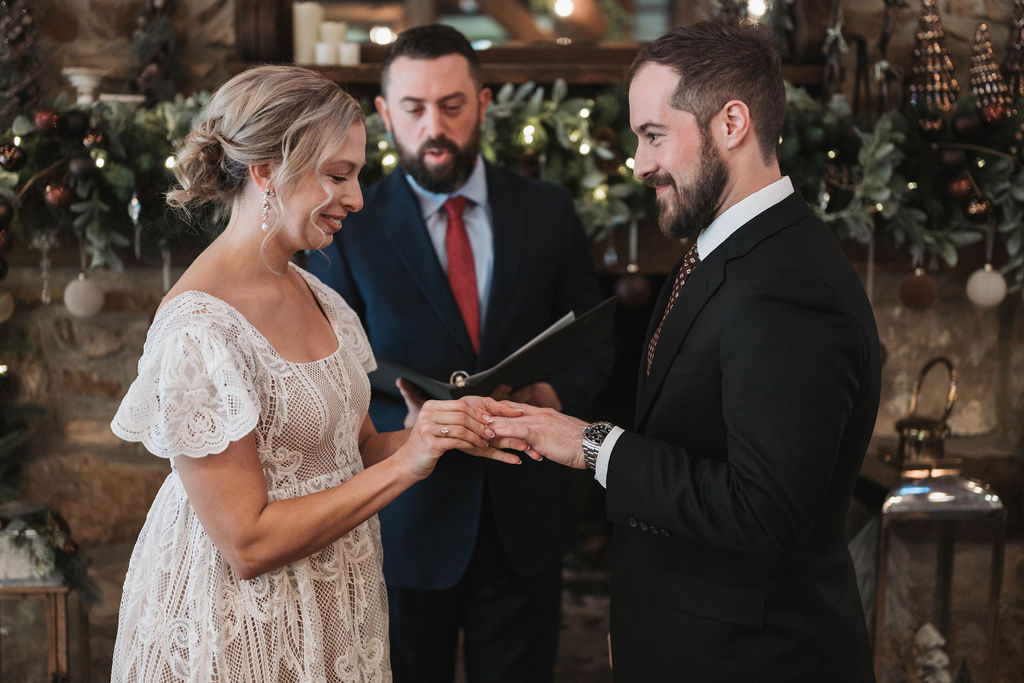
- When rings will be exchanged
- How vows will be handled
- When the first kiss will happen
- Where to move for photos
- How the couple will exit
- What to do if someone forgets a line
Practice can reduce nerves and prevent confusion. However, the ceremony does not need to be rehearsed word for word. Some emotion should still be saved for the wedding day.
Choose Someone Who Makes You Feel Safe
Your officiant will stand close to you during a vulnerable and emotional moment. Therefore, you should feel comfortable with them.
You should trust that they will listen, respect your relationship, and protect the tone of the ceremony. You should not feel worried that they will make an inappropriate joke, add an unwanted religious message, or turn the moment into a performance about themselves.
At Bally Spring Inn in Barto, Pennsylvania, ceremonies are meant to feel personal, unhurried, and rooted in the couple’s story. The officiant should support that feeling.
Whether the role is given to a religious leader, professional officiant, family member, cherished friend, or personal hero, the right person will help you feel calm and understood. When the choice is made with care, the ceremony can become more than a formal step. It can become one of the most heartfelt and unforgettable moments of your wedding day.
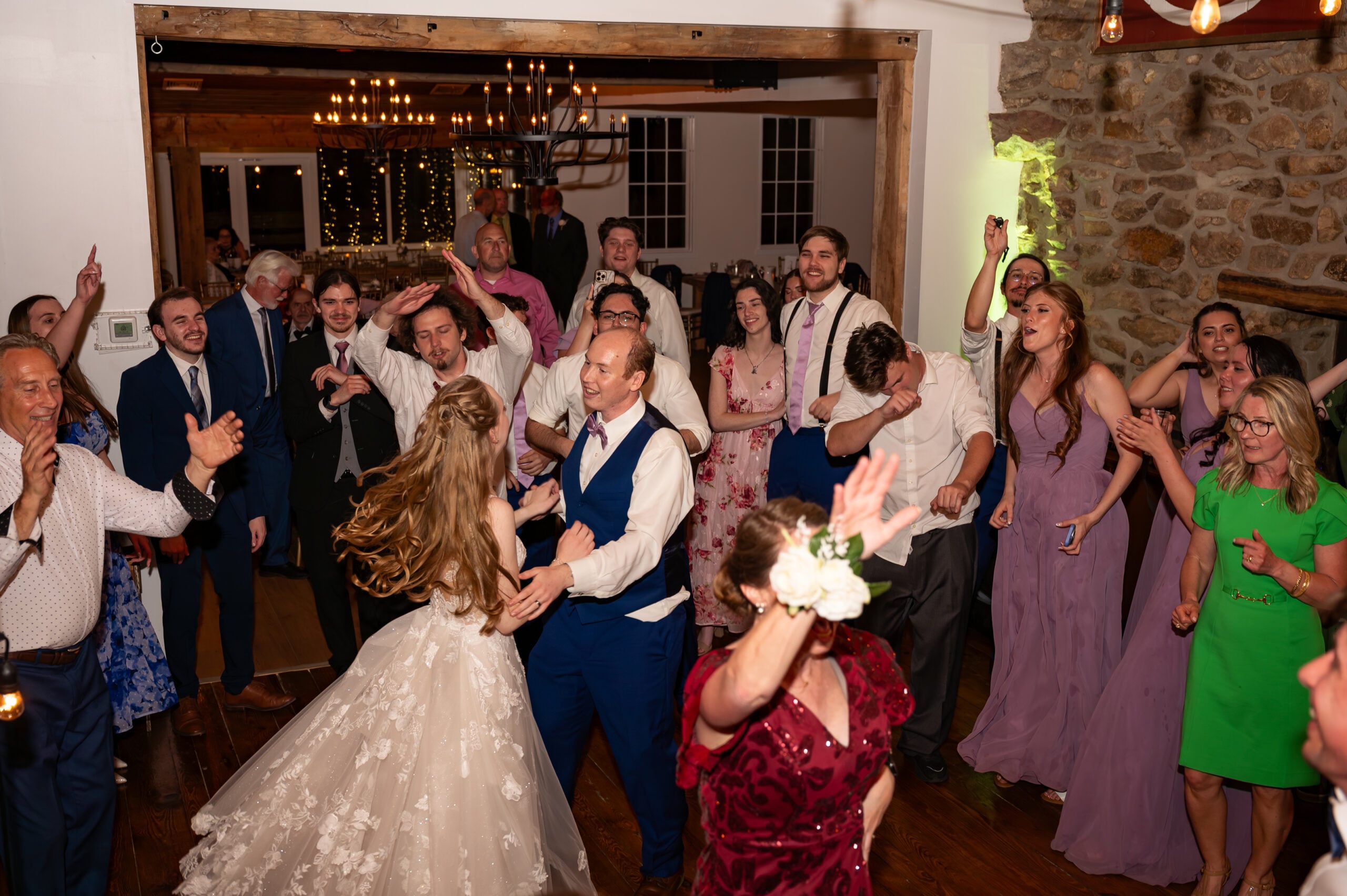
Photo by Good Omen Photo Co
Leave a reply
How to Handle Wedding-Day Anxiety When You Hate Being the Center of Attention
Your wedding day is meant to feel joyful, meaningful, and full of love. Still,
How to Plan a Truly Unplugged Wedding Ceremony
Your wedding ceremony is one of the most emotional parts of the entire day.
If Family Helps Pay for the Wedding, Do They Get a Say?
Learn how to set kind boundaries when family helps pay for your wedding, including
How Many Hours of Wedding Photography Coverage Do You Really Need?
Learn how many hours of wedding photography coverage you need based on getting ready