


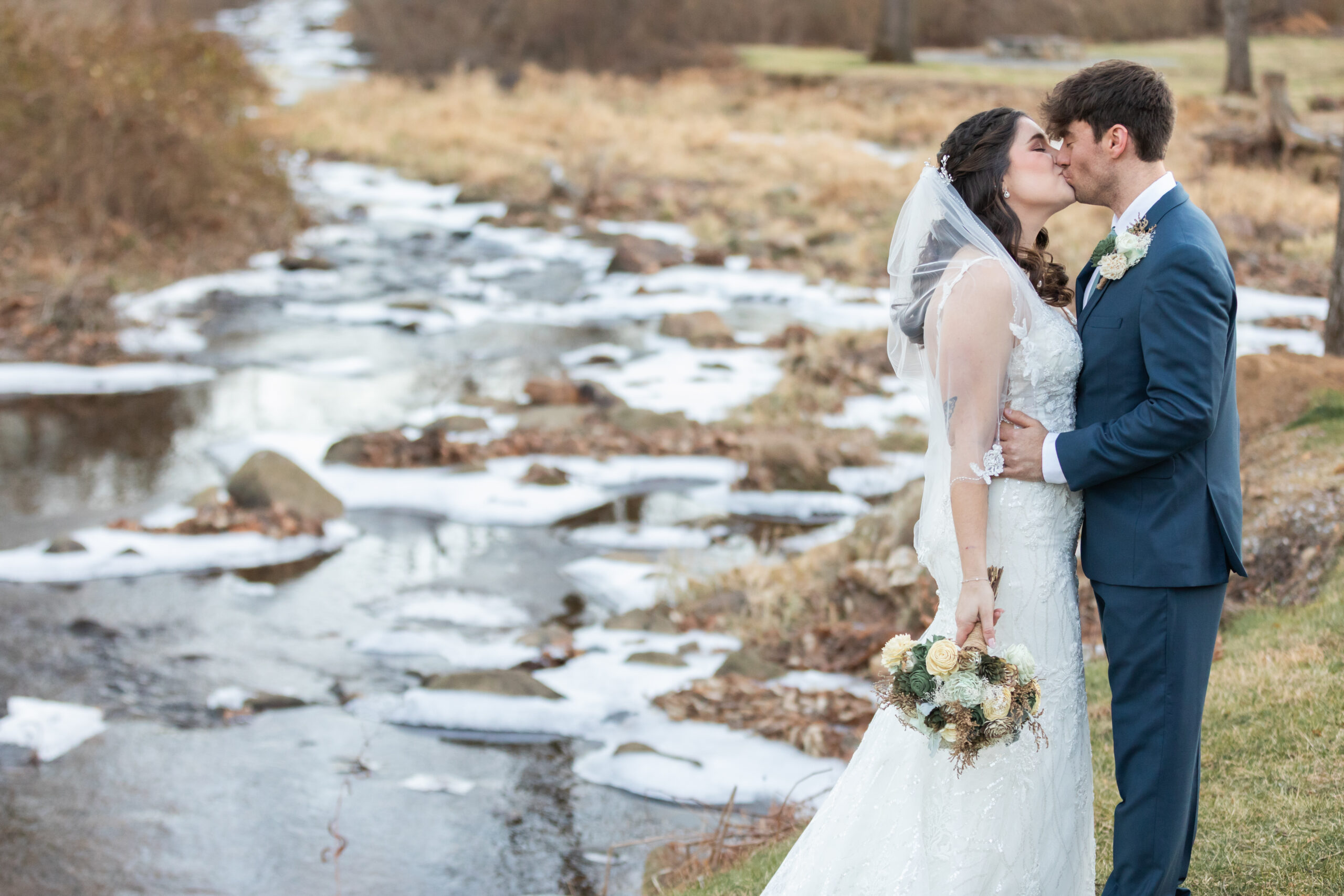
How to Plan a Truly Unplugged Wedding Ceremony
Your wedding ceremony is one of the most emotional parts of the entire day. It is the moment when vows are shared, rings are exchanged, and a new chapter is begun in front of the people you love most.
However, that meaningful moment can feel very different when phones are raised throughout the aisle. Guests may lean into the photographer’s view, screens may appear in professional photos, and attention may be divided between watching the ceremony and recording it.
An unplugged wedding ceremony asks guests to put away their phones, cameras, and other devices so they can be fully present. Still, simply placing a sign at the entrance may not be enough. A truly unplugged ceremony should be explained clearly, announced kindly, and supported by someone who is willing to enforce the request.
Decide What “Unplugged” Means to You
Before signs are ordered, decide exactly what you are asking guests to do.
Some couples want all phones turned off and put away from the moment guests enter the ceremony space. Others are comfortable with guests taking photos before the ceremony begins but want devices hidden once the processional starts.
You may also choose to allow photos during the recessional after the ceremony has ended.
Your unplugged ceremony rules may include:
- No phones or personal cameras during the ceremony
- No photos while the wedding party walks down the aisle
- No recording of vows
- No posting ceremony images before the couple shares their own
- Phones placed on silent before guests are seated
- Photos allowed again after the recessional
Once your expectations have been decided, the same message should be shared in several places.
Place a Sign Where Guests Will Actually See It
A sign is one of the most popular ways to request an unplugged ceremony. However, its location matters.
The sign should be placed before guests reach their seats. If it is positioned beside the ceremony entrance, welcome table, or seating area, guests will have time to put their phones away before the processional begins.
The wording can be warm and simple. For example:
“We invite you to be fully present with us. Please turn off and put away all phones and cameras during the ceremony.”
Or:
“We have hired a wonderful photographer to capture this moment. Please rest your devices and enjoy the ceremony with us.”
At many LGBT friendly venues in Berks County, couples are encouraged to make ceremony traditions feel personal to them. Your unplugged message can be formal, playful, romantic, or direct. What matters most is that it reflects your voice and is easy to understand.
Still, a sign should not be your only form of communication. Guests may walk past it, become distracted, or assume the rule does not apply to them.
Have an Announcement Made Before the Ceremony
A clear announcement should be made shortly before the processional begins.
This may be handled by the officiant, ceremony coordinator, DJ, or another trusted person. The announcement should be spoken once everyone is seated and before the wedding party begins walking.
It may be said:
“Before we begin, the couple has requested an unplugged ceremony. Please silence and put away all phones and cameras so you can be fully present. Their professional photographer will capture the ceremony, and those images will be shared after the wedding.”
This reminder is important because it removes confusion. Guests are less likely to assume that a small sign was simply a suggestion.
The announcement can also create a quiet pause. Once devices are put away, the room often feels calmer and more focused. The emotional weight of the ceremony can then be felt more fully.
Explain Why the Request Matters
Guests may be more likely to follow the rule when they understand the reason behind it.
An unplugged ceremony is not usually requested because the couple dislikes photos. In fact, beautiful photographs are often one of the main reasons phones are being put away.
Professional photographers carefully choose their positions, lighting, and angles. If a guest steps into the aisle with a phone, an important moment may be blocked. A raised screen may appear beside the couple during a first kiss. In addition, a phone flash may affect the photographer’s image.
For couples planning at a destination wedding venue near Philadelphia, professional photos may be especially important. Guests may have traveled from different areas to celebrate, and the venue, landscape, and ceremony setting may have been chosen with great care.
When guests remain seated and present, the photographer is given a clear view. More importantly, the couple can look into the audience and see faces instead of screens.
Choose Someone to Enforce the Rule
A truly unplugged ceremony may require gentle enforcement.
The couple should not be expected to notice or address phones while standing at the altar. Instead, a coordinator, usher, family member, or wedding party member can be assigned to help.
That person may quietly remind guests to put devices away before the ceremony begins. If a phone is raised during the processional, a discreet hand gesture or whispered reminder may be used.
Some couples prefer a playful warning. For example:
“If a phone appears during the ceremony, the photographer may take a photo of you using it and send you the bill.”
Another humorous version may say:
“If you block the photographer’s shot, you may be billed for the photography package.”
This can make guests laugh while still showing that the request is serious. However, the joke should match the tone of your wedding and the personalities of your guests.
Tell Close Family Members in Advance
Parents, grandparents, and close relatives may believe they are exceptions to the unplugged rule. Therefore, they should be told directly before the wedding day.
Let them know that professional photos will be shared and that they will not miss the memory by keeping their phone away. In fact, they may remember the moment more clearly because they were able to experience it without looking through a screen.
You may also promise to send them a favorite ceremony photo once the gallery is delivered.
This conversation is especially useful for relatives who love taking pictures or who may worry that no personal images will be available.
Ask Your Photographer About the Policy
Your photographer should be told that an unplugged ceremony is being planned.
They may have helpful suggestions based on past weddings. They can also explain which guest behaviors most often cause problems, such as stepping into the aisle, standing during the processional, or using a flash.
In addition, ask how soon a few preview images may be available. If one ceremony photo can be shared shortly after the wedding, family members may feel less pressure to capture their own version.
Your photographer and ceremony coordinator should also know who has been assigned to enforce the rule. This keeps the responsibility clear.
Consider a Phone-Free First Row
If you are concerned about full enforcement, begin with the most visible seating area.
The first few rows are most likely to appear in professional photos. They are also where close family members are usually seated. Make sure those guests understand the unplugged request before the ceremony.
Programs may also include a short reminder. A small line can be printed near the ceremony order:
“Please keep phones and cameras put away until the ceremony has concluded.”
The same request may be displayed on your wedding website so guests are informed before they arrive.
Give Guests a Chance to Take Photos Later
Guests often reach for their phones because they are excited and want to remember the day. Therefore, consider giving them a clear opportunity to take photos after the ceremony.
Your officiant might announce:
“The ceremony is now complete, and phones are welcome again.”
You could also pause briefly at the end of the aisle or during cocktail hour for guest photos. A photo booth, shared album, or wedding hashtag may be offered for reception pictures.
When guests know there will be other opportunities, they may be more willing to respect the ceremony itself.
Create a Ceremony Filled With Presence
An unplugged ceremony is not about controlling your guests. It is about protecting a brief and deeply meaningful part of the wedding day.
When phones are put away, reactions can be seen more clearly. Laughter feels shared. Tears are noticed. Vows are heard without the distraction of notifications, recording buttons, or glowing screens.
At Bally Spring Inn in Barto, Pennsylvania, ceremonies are surrounded by historic charm, peaceful countryside, and views of the Perkiomen Creek. These heartfelt moments deserve to be experienced in full.
With a visible sign, a kind announcement, clear expectations, and gentle enforcement, your guests can be encouraged to remain present. The professional photographs will still be captured, but the memory itself will be lived, felt, and held by everyone in the room.
Photo by Birds of a Feather
Leave a reply

How to Choose the Right Person to Officiate Your Wedding
The person who officiates your wedding will guide one of the most meaningful moments
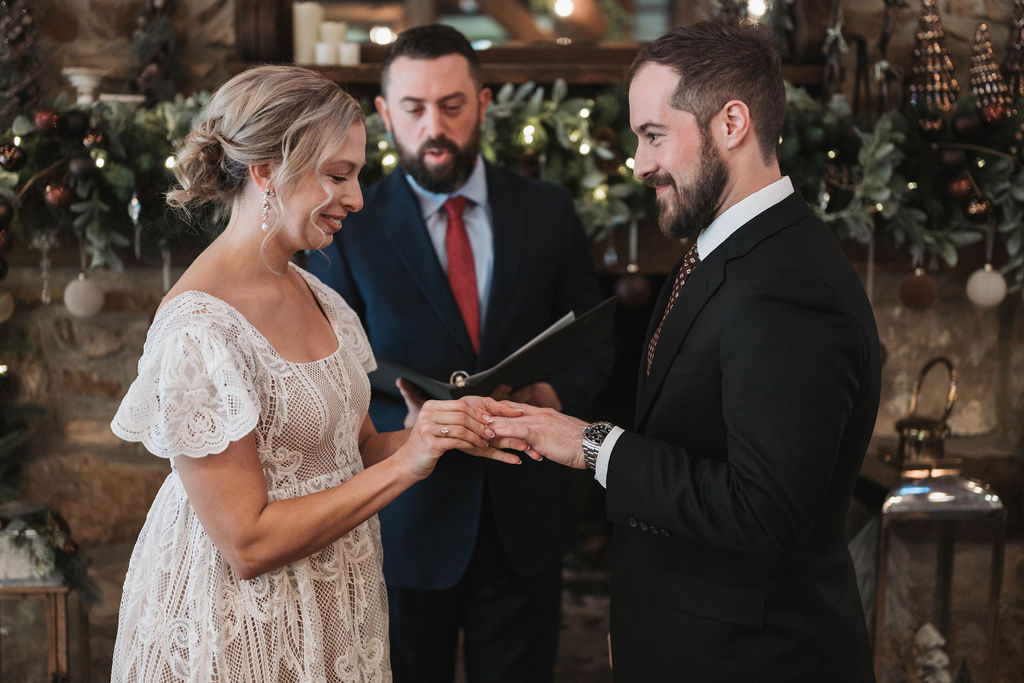
How to Handle Wedding-Day Anxiety When You Hate Being the Center of Attention
Your wedding day is meant to feel joyful, meaningful, and full of love. Still,
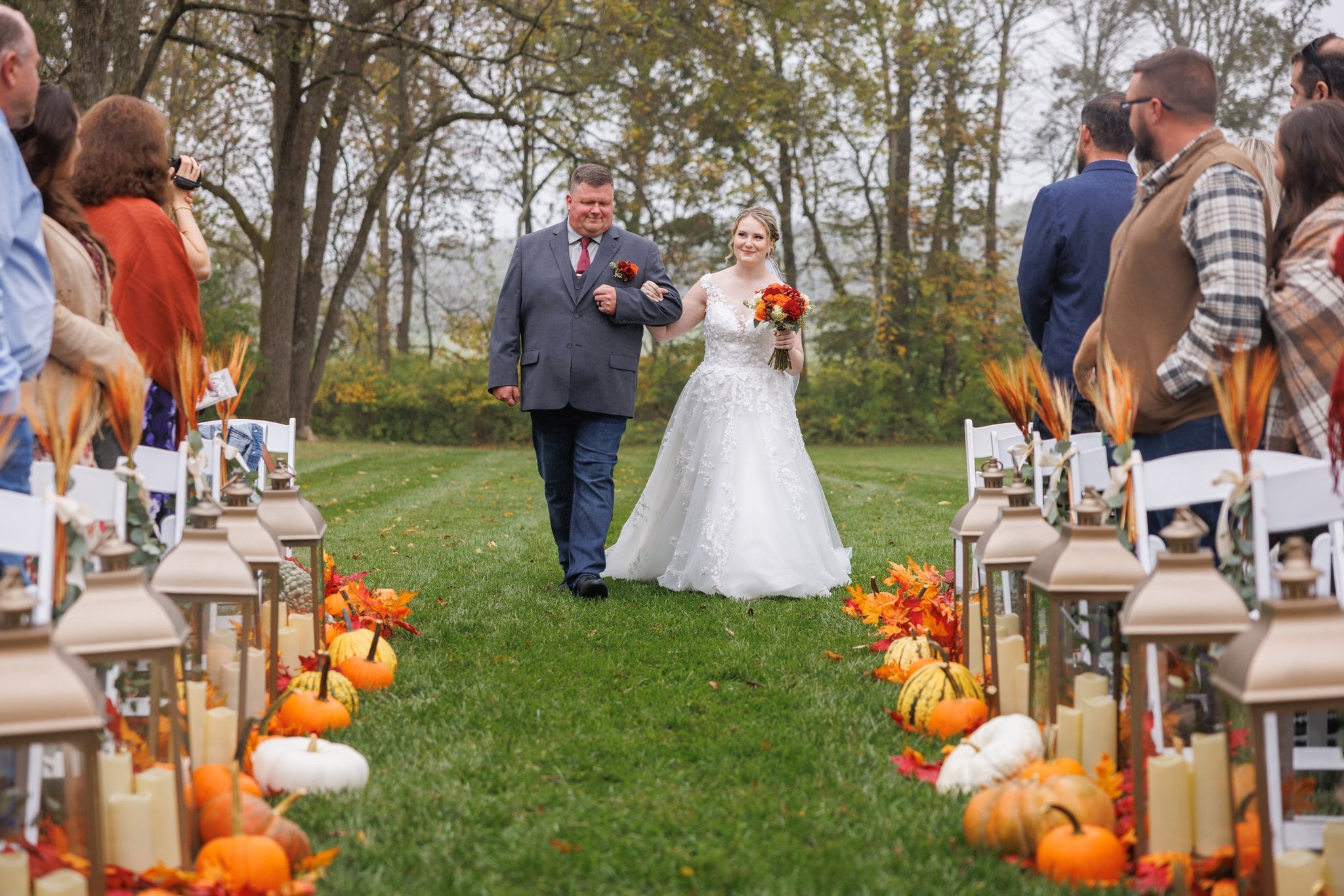
If Family Helps Pay for the Wedding, Do They Get a Say?
Learn how to set kind boundaries when family helps pay for your wedding, including
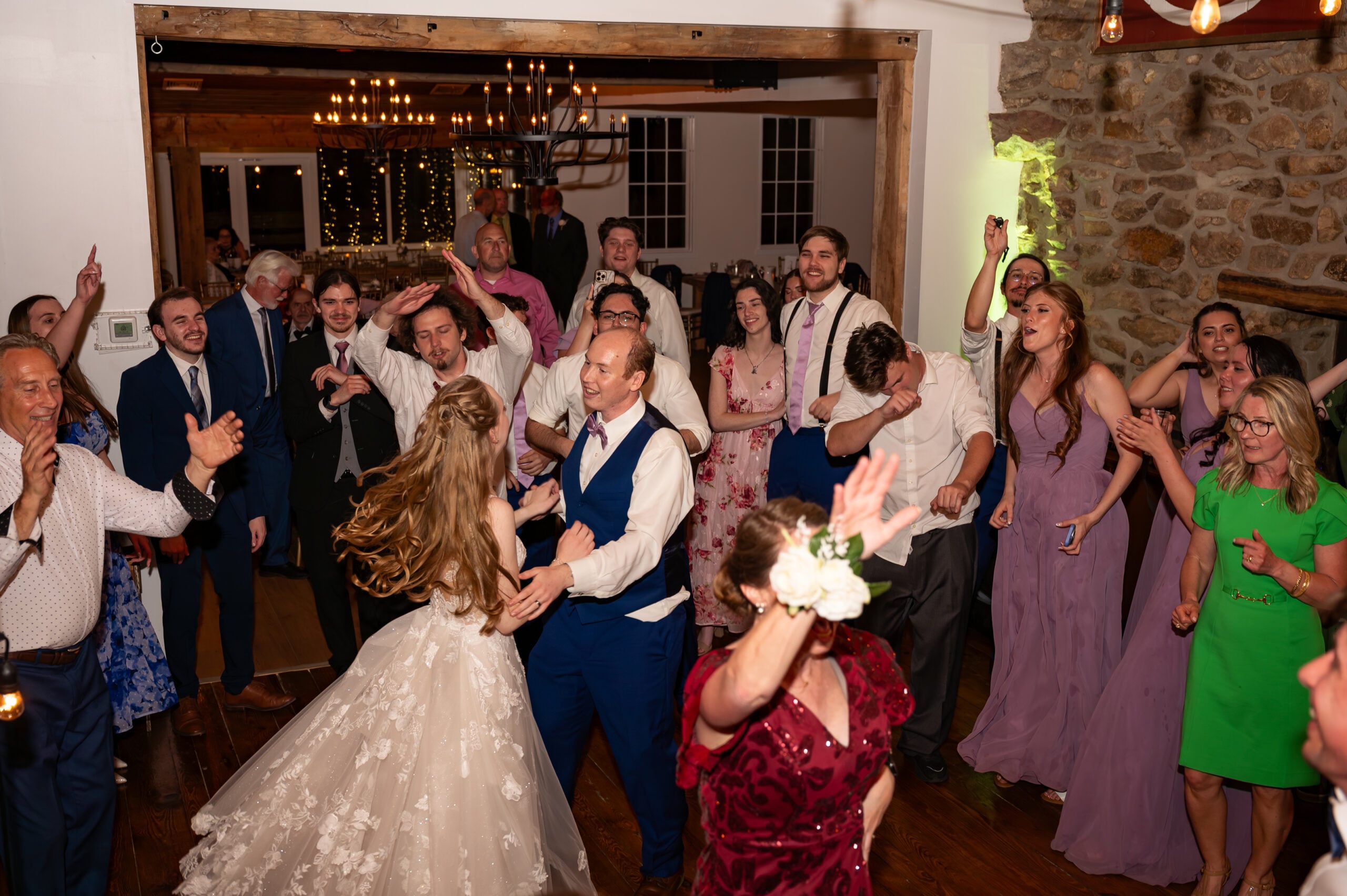
How Many Hours of Wedding Photography Coverage Do You Really Need?
Learn how many hours of wedding photography coverage you need based on getting ready